
Key Takeaways
- Anxiety can be managed effectively without medication through therapy, lifestyle changes, and relaxation techniques
- Cognitive Behavioral Therapy is widely recommended as a primary non-medication approach because it helps reshape negative thought patterns tied to worry
- Simple daily habits like deep breathing, mindfulness, and regular movement can lower stress in ways that add up over time
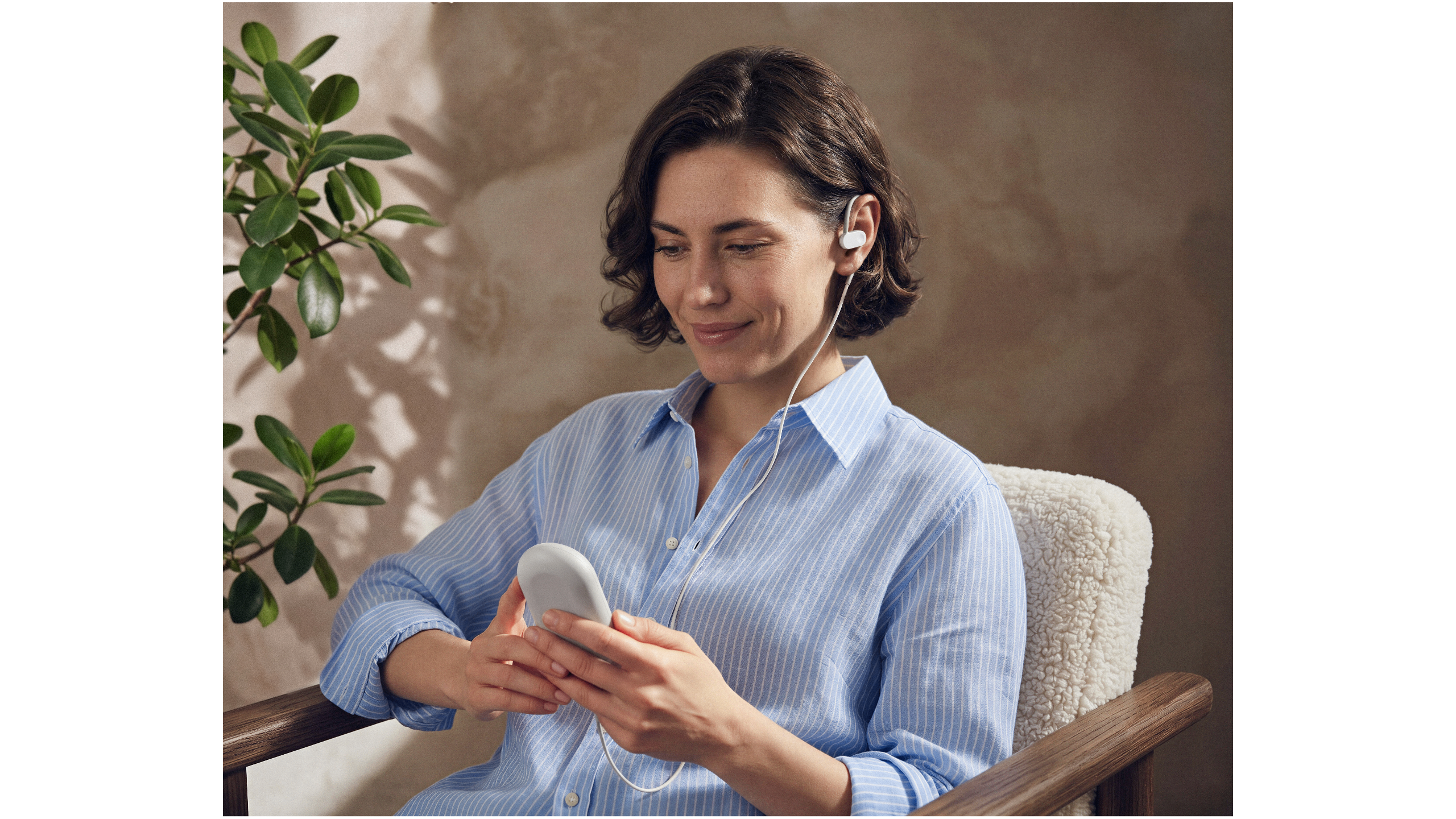
- Vagus nerve stimulation is gaining attention as a science-backed tool for supporting calm, and wearable options like Nuropod show measurable changes in nervous system activity
- Diet and sleep quality play a bigger role in anxiety symptoms than many people realize
Anxiety has a way of showing up uninvited, tightening the chest, racing the heart, and filling the mind with what-ifs. For people who would rather not start with a prescription, a wide range of non-drug strategies have real evidence behind them. Cognitive Behavioral Therapy, mindfulness practice, regular movement, and even wearable technology like the vagus nerve stimulation device for anxiety all offer paths toward a calmer nervous system. This guide walks through the most effective options, explaining how each one works and why it helps.
Anxiety Can Be Managed Without Drugs
Anxiety is a natural response built into human biology, meant to keep people alert to danger. The trouble starts when that alarm system stays switched on long after the actual threat has passed, spilling into everyday life as racing thoughts, muscle tension, or a stomach that never quite settles. Recognizing personal triggers, whether that’s an overloaded schedule, poor sleep, or too much caffeine, is often the first meaningful step toward taking back control.
Medication can offer quick relief for some people, but it also comes with potential side effects, ongoing costs, and the need for a prescription. Non-medication approaches, by contrast, tend to be more accessible and carry fewer downsides, which is part of why so many people try them first. Therapy, lifestyle shifts, and relaxation techniques each target anxiety from a different angle, and combining a few of them often works better than relying on just one.
Nobody has to figure this out alone or from scratch. Structured methods already exist, tested across years of clinical research, and the rest of this guide breaks them down into practical categories anyone can start using today.
Retraining Anxious Thought Patterns
Anxious thinking tends to follow familiar loops: worst-case predictions, constant self-doubt, or the sense that danger is always one step away. Breaking those loops usually takes more than willpower. It takes structured practice that teaches the brain new patterns, which is exactly what the next two approaches are designed to do.
How CBT Changes Negative Thinking
Cognitive Behavioral Therapy is a structured, skills-based form of psychotherapy that helps people identify and change the negative thought patterns fueling their worry. Rather than just talking about feelings, CBT teaches concrete techniques: spotting distorted thoughts, replacing them with more balanced ones, and gradually facing feared situations instead of avoiding them.
Decades of clinical trials and meta-analyses back this approach up, showing meaningful symptom improvement across adults, teens, and children dealing with a range of anxiety-related concerns. Research also points to moderate gains in overall quality of life, particularly in physical and psychological well-being, for people who complete CBT programs. Because the skills are learned rather than borrowed from a pill bottle, many people find the benefits stick around well after therapy sessions end.
Mindfulness and Meditation for Calm
Mindfulness teaches a different skill: noticing thoughts and feelings without judging them or getting swept away. Meditation builds on that by training attention on the breath, quieting mental chatter, and giving the nervous system a chance to settle. Starting small, even a few minutes a day, tends to produce noticeable results over a few weeks.
The research backs this up in specific ways. Mindfulness meditation training has been shown to lower the stress response in people with generalized anxiety disorder, and an eight-week mindfulness-based stress reduction course produced significant drops in stress biomarkers during a laboratory stress task for that same group. Broader reviews of mindfulness-based interventions have found they reduce anxiety, depression, and stress more effectively than non-evidence-based treatments or standard control conditions.
Moving Your Body, Easing Your Mind
The body and mind are closely linked, and anxiety often shows up physically before it registers mentally. Movement and nutrition give people two more powerful, low-cost tools for shifting that balance back toward calm.
Yoga, Tai Chi, and Nature Walks
Physical activity does double duty for anxiety: it burns off stress hormones and releases mood-lifting chemicals at the same time. Aerobic exercise, done for at least 30 minutes several times a week, has been linked to meaningful reductions in anxiety symptoms by increasing endorphins and helping regulate the body’s stress response system. Exercise also appears to lower cortisol, the body’s primary stress hormone, while boosting serotonin and dopamine, which support better mood and motivation.
Some activities pair movement with a calming, meditative quality that makes them especially useful for anxiety:
- Yoga pairs physical postures with deep breathing, stretching and strengthening the body while quieting the mind.
- Tai Chi uses slow, deliberate movements alongside steady breathing, which supports balance and mental clarity.
- Nature walks in parks, along trails, or near water help lower stress hormone levels and lift overall mood, even in short sessions.
Diet Choices That Support Mood
What goes on a plate matters more than most people expect. A balanced diet built around whole foods, fruits, vegetables, lean proteins, omega-3 fatty acids, B-complex vitamins, and magnesium supports brain health in ways that can directly reduce stress and anxiety. Magnesium-rich foods like leafy greens, nuts, and whole grains have a calming effect on the nervous system, helping regulate neurotransmitters tied to stress.
Just as important is what to limit. Caffeine, added sugar, and alcohol can all trigger increased adrenaline and mood swings, making anxious feelings worse rather than better. Swapping sugary snacks for whole foods, cutting back on caffeine in favor of herbal tea, and staying consistently hydrated are small changes that add up over time.
Quick Relief Tools You Can Use Today
Deep Breathing to Slow Your Heart Rate
Slow, deliberate breathing is one of the simplest and most reliable ways to calm an anxious body. Breathing deeply into the belly rather than shallowly into the chest sends a direct signal to the nervous system that it’s safe to slow down, and many people notice the heart rate ease within minutes.
A simple version looks like this:
- Find a quiet place to sit or lie down.
- Inhale slowly through the nose, letting the abdomen expand fully.
- Hold the breath for a few seconds.
- Exhale slowly through the mouth, then repeat for several minutes.
This exercise can be done almost anywhere, which makes it one of the most practical anxiety tools available for stressful moments like a big meeting or a crowded waiting room.
Aromatherapy and Journaling
Certain scents, particularly lavender, chamomile, and bergamot, carry calming effects that can help ease anxious feelings. A diffuser, a few drops in a warm bath, or a small amount applied to the skin with a carrier oil are all simple ways to bring aromatherapy into a daily routine.
Journaling provides a different kind of relief: an emotional outlet for processing thoughts and feelings without judgment. Writing freely for a few minutes a day, or using prompts to examine specific worries, has been linked to decreased anxiety and greater self-awareness over time. Both tools are inexpensive, require no special training, and fit easily into even the busiest schedule.
Why Vagus Nerve Stimulation Is Gaining Attention
As stress starts to feel less occasional and more constant for many people, interest has grown in tools that work directly with the body’s own calming systems. Vagus nerve stimulation has a long history in clinical medicine, having been used for decades to treat epilepsy and treatment-resistant depression, and more recently to support stroke recovery. That medical track record is part of why non-invasive versions of the technology are now drawing attention from people looking for everyday stress relief rather than a wellness trend.
What the Vagus Nerve Actually Regulates
The vagus nerve is a long, wandering nerve connecting the brain to organs including the heart, lungs, and digestive system. It plays a central role in regulating relaxation, heart rate, recovery, digestion, the immune system, and the body’s overall stress response, working closely with the parasympathetic nervous system, often described as the body’s “rest and recover” state.
It helps to be clear about what this nerve is not responsible for. General restlessness or a racing mind is usually a sign of everyday stress rather than a sign that the vagus nerve itself is malfunctioning. True vagus nerve dysfunction tends to follow more specific patterns, such as digestive issues or blood pressure drops upon standing, and is typically tied to identifiable causes like nerve injury or certain neurological conditions. Understanding that distinction helps set realistic expectations for what stimulation tools can and cannot do.
What Sets Research-Backed Devices Apart
As vagus nerve stimulation products have become more popular, the market has filled with options that range from carefully researched wearables to trend-driven gadgets built on vague claims. The strongest devices tend to share a few traits: a clear stimulation method grounded in physiology, published research behind the technology, and enough comfort that people will actually wear them consistently rather than abandon them after a week.
For anyone curious about how this category of tools works and what to look for, researching options with a solid foundation is a reasonable place to start.
Relief Is Possible Beyond Medication
Managing anxiety without medication rarely comes down to a single fix. It tends to work best as a layered approach: retraining thought patterns with something like CBT, building steadier habits through movement and diet, keeping quick-relief tools like deep breathing on hand for tough moments, and considering newer options like vagus nerve stimulation for additional support. Each layer reinforces the others, and small, consistent changes tend to outperform any single dramatic effort.
Anxiety may never disappear completely, and that’s expected since it serves a real purpose in keeping people alert to genuine challenges. The goal is to keep anxiety from taking over daily life while accepting it will never fully disappear. With the right combination of tools, most people can find a level of calm that feels sustainable rather than temporary.
For anyone ready to start building a personalized toolkit, learning more about non-invasive vagus nerve stimulation is a practical next step toward steadier, calmer days.
Nuropod
care@nuropod.com
2108 N Street
Sacramento
California
95816
United States


