
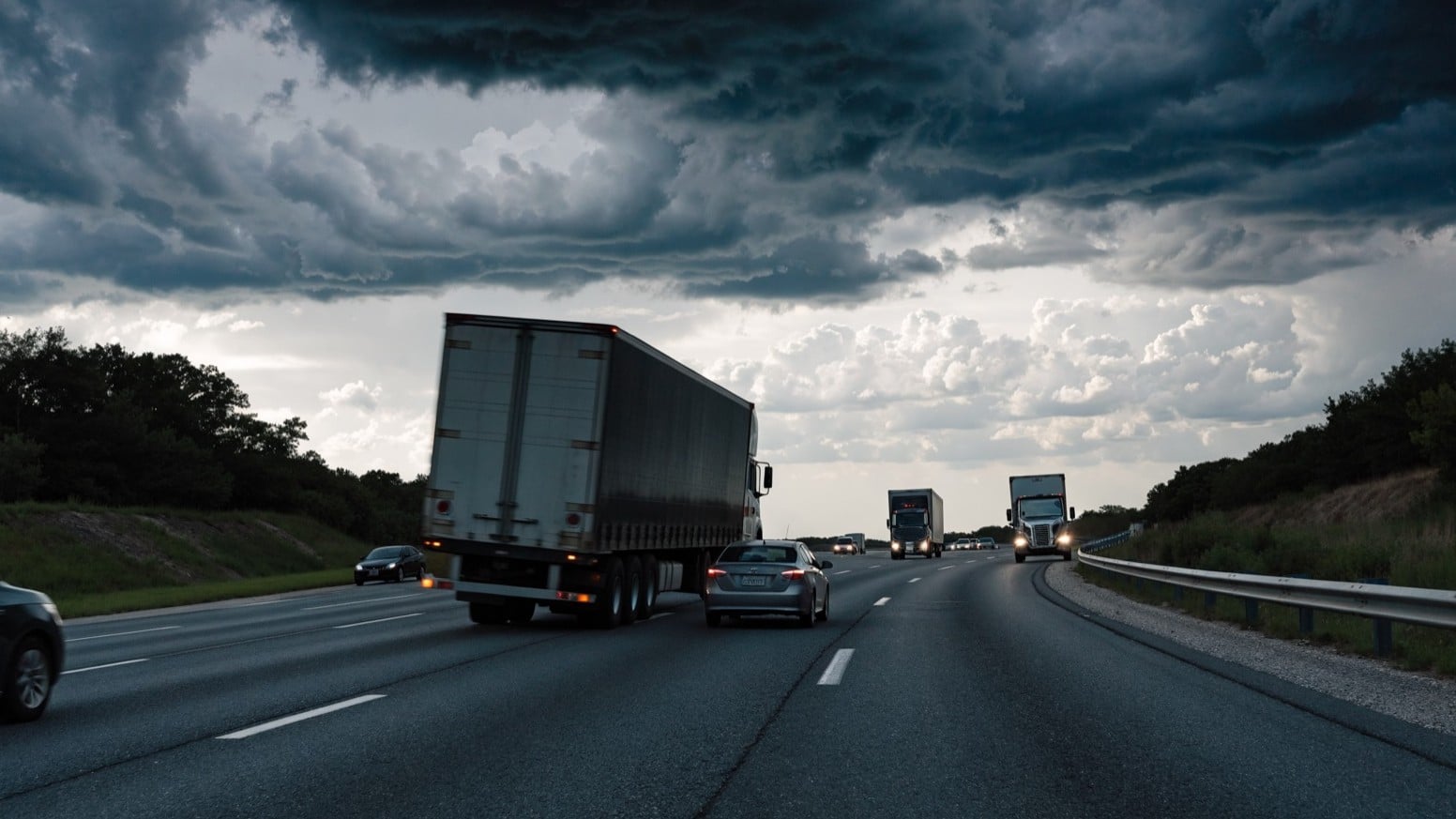
Key Takeaways
- There isn’t just one way an 18-wheeler accident happens. Jackknifes, rollovers, underride crashes, and several other patterns each come from a different combination of causes.
- The type of crash usually points to a different set of records worth requesting, whether that’s a maintenance file, a driver’s hours-of-service logs, or a cargo manifest.
- More than one party can end up responsible depending on what caused the crash, including the driver, the trucking company, a maintenance contractor, or whoever loaded the cargo.
- Texas reduces an injured person’s recovery by their own share of fault in a crash, and eliminates it entirely if they are found more than half responsible.
- Knowing which type of crash actually happened is often the first real step toward understanding who might be held accountable for it.
Most people who get hurt in a truck accident want to know the same thing right away, and that’s who is going to pay for it. Anyone who reads through the types of 18-wheeler accidents in Texas quickly sees that the answer depends heavily on what kind of crash actually happened, since a jackknife points investigators somewhere very different than a tire blowout does, and a rear-end collision raises different questions than a wide load that shifted mid-drive.
The Jackknife
A jackknife gets its name from what it looks like when it happens. The trailer swings out and folds back against the cab, the same motion as a pocketknife snapping shut. Hard braking triggers most of them, especially on a wet road or when the trailer is running empty and doesn’t have enough weight on its tires to keep them planted. Attorneys looking into one of these crashes usually start with the truck’s brake inspection history and work out how fast it was going compared to what the road conditions actually allowed.
Rollovers and Wide Turns
Trucks sit higher off the ground than a car does, and they carry most of their weight up top, which is exactly why a sharp turn or a sudden swerve can tip one onto its side or its roof. Speed for the curve, tire wear, and how evenly a load was packed all tend to come up once a rollover gets looked into.
A wide-turn crash is a different animal entirely. Trailers need extra room to make a right turn, so drivers are supposed to swing left first before turning back right. Skip that step, or have a car try to slip into the gap on the truck’s right side, and the result is what people in the industry call a squeeze play. Whoever’s arguing this kind of case ends up focused on one narrow question: did the driver check the mirrors and signal before starting the turn?
Underride, Override, and Rear-End Crashes
These two crash types are close relatives of each other. In one, a car ends up sliding beneath the trailer instead of stopping against it. In the other, the truck itself rides up and over the smaller vehicle, which tends to happen in a rear-end scenario where the truck simply couldn’t stop in time. The weight difference between the two vehicles is what makes both patterns so dangerous, and rear-end truck crashes in particular often come back to a driver who was too tired or too distracted to react. Anyone building a serious truck accident claim around one of these crashes usually finds a driver’s hours-of-service records become important fast.
Blind Spots, Tire Blowouts, and Lost Loads
A truck’s blind spots run much bigger than a car’s, stretching along both sides, behind the trailer, and right in front of the cab. Trucking companies sometimes call these the no-zones, and a crash tends to happen when a car sits in one for too long during a lane change, or when the driver just doesn’t look before pulling over.
Tires tell a different story. Underinflation and worn tread cause most blowouts, and both are the kind of thing a pre-trip inspection is supposed to catch, so a blowout case usually turns into a question about the carrier’s maintenance habits rather than the driver’s.
Cargo can cause trouble without the truck being involved in a collision at all. A pallet that wasn’t tied down properly can slide off during a turn or a hard stop, and depending on who loaded that trailer, the company responsible for packing it can end up just as exposed as the trucking company itself.
Head-On Collisions
These don’t happen as often as the other types on this list, but when they do, the damage tends to be the worst of the bunch, since the combined speed of both vehicles has nowhere to go but into each other. Most start the same way: a truck drifts across the center line, whether that’s because the driver was tired, distracted, dealing with a mechanical problem, or swerving to avoid something else entirely.
Why the Crash Type Actually Matters for a Claim
Description isn’t really the point of sorting a crash into one of these categories. The real reason is that it tells someone where to start digging for evidence, and often who they’ll eventually be dealing with on the other side. A jackknife or a rollover puts the focus on how a driver was handling the truck right before things went wrong. A tire blowout or a lost load pulls attention away from the driver entirely and toward whoever was supposed to be maintaining the truck or securing what it was carrying. Rear-end and blind-spot crashes tend to raise a different question altogether, since a driver who pushed past the legal limit on how long they could stay behind the wheel usually leaves some kind of paper trail behind, whether that shows up in an hours-of-service log or somewhere else in the company’s records.
A trucking company can usually be held responsible for what its driver did if that driver was on the clock and running a dispatched route at the time. Once that’s established, the type of crash starts to determine which of the company’s own records actually matter to the case. A jackknife might mean requesting brake inspection logs. A tire blowout might mean pulling maintenance history instead. A crash tied to a rushed delivery schedule might mean looking at dispatch communications or how the driver was hired in the first place.
Texas also reduces what an injured person can recover based on their own share of the blame, and it cuts that recovery off completely once someone is found more than half at fault. Because of that, figuring out early and accurately what actually caused a crash tends to carry just as much weight in a case like this as the medical records do.
What This Means If You Were Hurt
If a truck accident left you or someone you love injured, the type of crash you were in is usually the starting point for figuring out what happened and who might owe compensation for it. A jackknife, a rollover, an underride crash, or any of the other patterns described here each comes with its own evidence trail, and getting that evidence preserved quickly tends to matter more in a truck case than in most other kinds of injury claims. More on how the firm approaches these cases is available on its About page.
The León Law Firm, P.C.
1 Sugar Creek Center Boulevard
Sugar Land
TX
77478
United States


