
Key Takeaways
- New construction homes – including luxury builds – regularly contain defects in framing, electrical, plumbing, and HVAC systems that only a third-party inspection can reliably catch.
- A phased inspection approach (pre-pour, pre-drywall, and final) gives buyers full visibility into construction quality before problems are permanently sealed behind concrete and drywall.
- The 11-month warranty inspection is one of the most overlooked protections a new homeowner has – skipping it means paying out of pocket for repairs the builder was still obligated to fix.
- Luxury homes often carry complex systems – smart-home tech, multi-zone HVAC, pools – that may benefit significantly from specialty add-ons beyond a standard inspection checklist.
- Inspection costs in Texas range from around $200 for a pre-pour phase to $1,200 or more for a full multi-phase package on a large home – a fraction of what major post-close repairs typically run.
Builders sell the idea that a new home means a perfect home. The reality is more complicated – especially in a fast-moving market like Dallas-Fort Worth, where construction timelines are tight, and subcontractor crews are stretched thin. Knowing exactly what a new build inspection covers, when each phase happens, and what it actually costs gives buyers the clearest possible picture before they sign anything.
According to the specialists from Journey Home Inspections, a third-party inspection is the only check on a new build performed entirely in the buyer’s interest – with no financial relationship to the builder and no incentive to overlook shortcuts.
New Homes Have Defects Too – Even Luxury Ones
Plumbing, electrical, and HVAC problems are common occurrences even in brand-new construction – a fact that surprises most buyers, who assume that “new” means “flawless.” It rarely does.
Defects in new builds don’t typically come from bad materials. They come from rushed timelines, coordination gaps between trade crews, and the simple reality that no one on the job site is watching every nail, wire, and pipe on behalf of the buyer. Framing crews miss critical connections. Electricians run wire too close to nail zones. HVAC installers kink flex duct in cramped attic spaces. These aren’t hypothetical – they’re among the most common findings documented during new construction inspections across North Texas. A third-party inspection is the only check performed entirely in the buyer’s interest.
Why DFW’s Construction Boom Raises the Stakes
The Dallas-Fort Worth metroplex is one of the fastest-growing metro areas in the country. New subdivisions are going up across Tarrant, Denton, Collin, and Johnson counties at a pace that stretches builders, subcontractors, and municipal inspectors thin.
When Speed Overrules Coordination, Mistakes Follow
Volume creates pressure. When a builder is closing homes on a tight schedule, individual crews – framers, plumbers, electricians – move fast and don’t always verify each other’s work. The result is a home that passes a surface-level check but carries hidden problems that only become visible months after move-in, if they become visible at all.
City Inspectors Can’t Catch Everything
Municipal building inspectors serve an important function, but their scope is limited. They’re checking for code compliance across dozens of active job sites – not performing a detailed quality assessment for the benefit of a single buyer. A city sign-off is not the same as a clean bill of health.
The Three-Phase Inspection Process
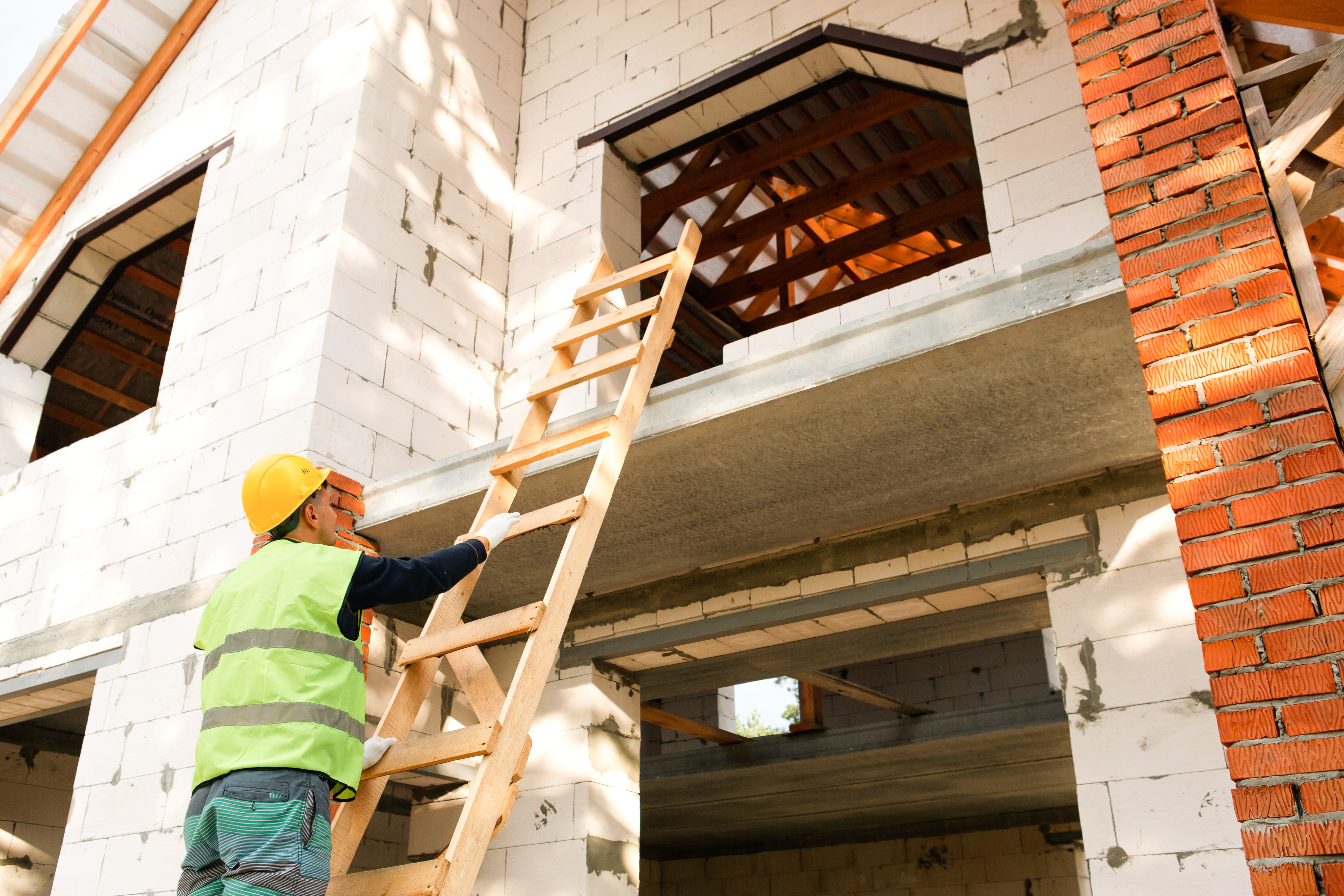
The most effective way to inspect a new build is to follow the construction itself – checking work at each critical stage before the next phase covers it up. Three inspections, three windows of access that won’t be available again once the build moves forward.
Pre-Pour / Foundation: Before Concrete Locks It In
This inspection happens after trenches are dug, form boards are set, rebar and post-tension cables are placed, and plumbing is roughed in – but before the concrete slab is poured. Once concrete goes down, everything beneath it is permanent.
Inspectors check form board and trench dimensions, rebar and post-tension cable placement, plumbing rough-in and cleanouts, vapor barrier condition, drainage and grading around the site, and electrical conduit placement. Foundation issues that aren’t caught here are among the most expensive problems a homeowner can face – a cracked or settling slab in Texas averages around $6,700 to repair. This inspection should be scheduled one to two days before the pour.
Pre-Drywall / Framing: Your One Shot Inside the Walls
This is widely considered the most critical phase of a new construction inspection. With walls still open, every stud, pipe, wire, and duct is fully visible. Once insulation and drywall go up, that access is gone – permanently.
Inspectors evaluate framing quality, spacing, and connections; electrical wiring and panel rough-in; plumbing supply and drain lines; HVAC ductwork routing; window and door flashing; and fire blocking and structural bracing. Missing fire blocking or improperly run electrical wiring are findings that simply cannot be corrected after drywall goes up without tearing the wall open. Schedule this one to two days before insulation begins.
Final / Pre-Closing: Full System Verification
The final inspection follows the same TREC-standard format used on any existing home – covering all five major systems from roof to foundation. It confirms that everything was completed correctly, all systems are functional, and any issues flagged in prior phases were actually corrected. Scheduling this five to ten days before the builder walkthrough means the buyer has documented findings in hand before any final agreements are signed.
What Inspectors Actually Find in New Builds
Common findings across DFW new construction inspections include missing or improperly installed flashing at windows and doors, reversed plumbing drains and missing cleanouts, and electrical wiring run too close to nail zones or incorrectly terminated. Inspectors also regularly document crimped or disconnected HVAC ductwork in attic spaces, missing fire blocking inside wall cavities, foundation rebar that doesn’t meet specification, and grading issues that direct water toward the foundation instead of away from it.
None of these are visible after walls close. Most are inexpensive for a builder to correct during construction – and very expensive to address after closing.
Luxury Homes Need More Than a Standard Inspection
A standard inspection checklist is built around a typical home’s systems. Luxury builds routinely exceed that scope – in both scale and complexity.
Complex Systems That Require Specialist Eyes
Estate-tier homes frequently include multi-zone HVAC systems, integrated smart-home and low-voltage technology, custom structural designs, and high-end appliances that a general inspection doesn’t fully address. Larger square footage also means more roof surface, more mechanical systems, and more opportunities for installation errors to go undetected.
Specialty Add-Ons Worth Considering
Depending on the property, the following specialty inspections are worth adding alongside a standard phase inspection:
- Pool and spa – equipment, structure, and safety require dedicated review
- Advanced / multi-zone HVAC – complex systems that exceed a general inspection’s scope
- Smart-home and low-voltage systems – automation, security, and AV integration need specialized evaluation
- Structural / engineer review – especially relevant for custom construction or unconventional designs
- Grounds and outbuildings – retaining walls, drainage systems, irrigation, and gates
The right combination depends on what the specific property actually contains. A qualified inspector experienced with high-end homes will flag which specialties are genuinely warranted – so buyers aren’t overspending on assessments that don’t apply.
What a New Build Inspection Costs in Texas
Cost by Phase and Square Footage
Pricing varies by phase and home size. General ranges for DFW-area new construction inspections:
- Pre-Pour / Foundation: $200 – $350
- Pre-Drywall Inspection: $250 – $500
- Final Walkthrough: $300 – $500
- 11-Month Warranty Inspection: $300 – $600
- Full Multi-Phase Package: $600 – $1,200+ (depending on square footage and add-ons)
For the final inspection alone, square footage scales the base cost:
- Under 1,500 sq. ft.: $350 – $475
- 1,500 – 2,500 sq. ft.: $425 – $575
- 2,500 – 3,000 sq. ft.: $300 – $500
- Over 3,000 sq. ft.: $600 – $800+
Skipping It Costs Far More
A cracked foundation repair in Texas averages around $6,700 – roughly ten times the cost of a single inspection. Major HVAC corrections, structural framing fixes, and plumbing reroutes all run into the thousands. The inspection fee is not a discretionary cost – it’s the cheapest protection available on a multi-hundred-thousand-dollar purchase.
Protect Your Investment Before the Builder’s Warranty Expires
New build inspections are about documentation. A third-party inspector is the only professional on a job site with no financial relationship to the builder, no incentive to overlook shortcuts, and a single job: protect the buyer. Phased inspections lock in that protection at every stage of construction. The 11-month warranty inspection extends it through the first year of ownership. Together, they represent the most complete safety net available for a new home purchase in DFW.
Journey Home Inspections
bryan@journeyhomeinspections.com
+1 817 296 8443
12556 Avondale Ridge Dr
Fort Worth
Texas
76179
United States


