
Sheridan, Wyoming, USA – November 13, 2026
For utility buyers evaluating power line inspection drone suppliers in China, the most useful shortlist is not a simple ranking of airframes. UUUFLY, DJI Enterprise, GDU, JOUAV, and Autel Robotics represent different routes to a workable inspection program: multi-brand sourcing and integration, modular enterprise aircraft, dock-based automation, long-range VTOL coverage, and compact thermal inspection. Choose by defect type, network length, required deliverables, and service model.
These five organizations serve different supply roles, not positions in a market-share ranking. UUUFLY coordinates multi-brand UAV configurations; DJI Enterprise, GDU, JOUAV, and Autel Robotics develop their own aircraft and related systems. The right contract depends on who supplies, integrates, tests, and maintains each component.
What Should a Utility Inspect Before Choosing a Drone Supplier?
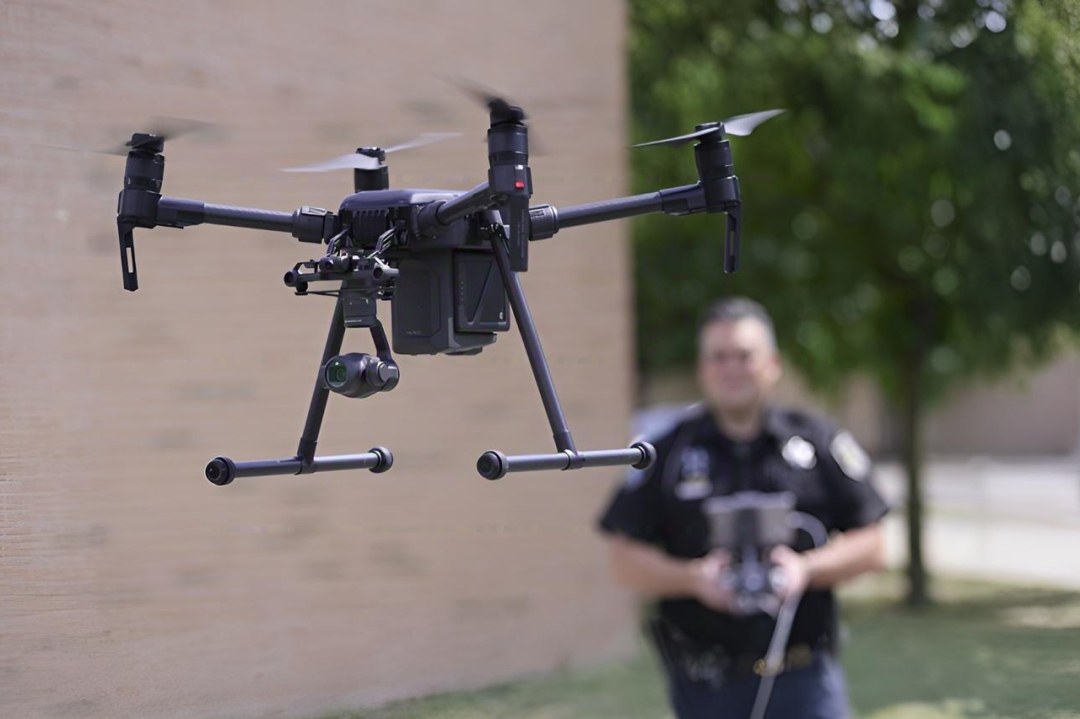
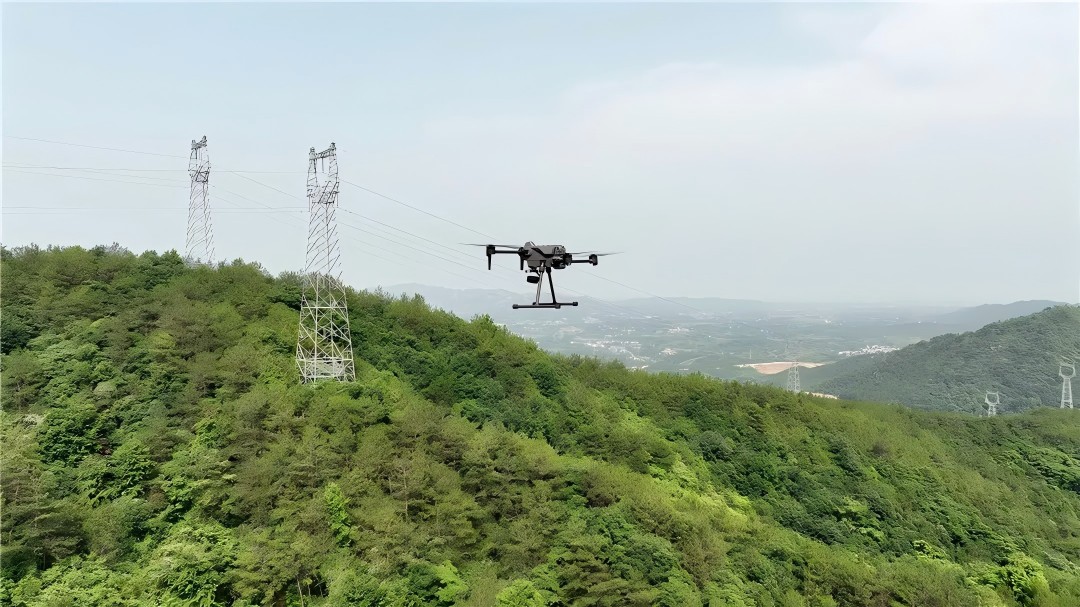
Transmission corridors, feeders, and substations require different evidence. Zoom photography can document damaged hardware or missing cotter pins. Radiometric thermal imaging can flag abnormal heating at energized connections, provided emissivity, load, distance, and viewing angle are controlled. LiDAR is more appropriate when the deliverable is a measured vegetation-clearance or conductor-corridor dataset. A thermal camera alone does not ensure reliable measurements or GIS-ready records.
Three requirements should be fixed before asking for prices:
- · Inspection target: insulators, joints, vegetation, towers, pole-top equipment, or post-storm damage.
- · Operational envelope: route length, terrain, wind, launch sites, nearby conductors, communications, and local operating permissions.
- · Accepted deliverable: geotagged photos, radiometric files, point clouds, defect annotations, inspection logs, or maintenance-system imports.
Consistent inspection also requires repeatable camera angles, asset IDs, defect classes, and operator procedures. Build these requirements into the acceptance test before ordering a fleet; an aircraft specification alone cannot establish defect-detection performance.
Which Five China-Based Suppliers Fit Different Inspection Programs?1. UUUFLY — Multi-Brand Utility UAV Packages and Sourcing
UUUFLY combines GDU S400E multirotors, dedicated GDU docking equipment, MMC VTOL aircraft, DJI platforms, and inspection payloads into task-specific procurement options. Its power line inspection packages can cover close-range thermal and zoom surveys, longer transmission corridors, and recurring dock-supported patrols. For buyers, the advantage is a choice of platform configurations within one sourcing discussion—not a claim that UUUFLY manufactures those aircraft.
A utility could deploy a hovering multirotor with a thermal/zoom gimbal to examine a heated connector, then use a VTOL platform for a remote corridor survey. That combination reduces the need to force every task onto one aircraft class. The purchase specification should identify each OEM, payload, dock, data format, battery source, warranty, and acceptance owner.
Official website: https://www.viscolift.com/
2. DJI Enterprise — Modular Platforms for Detailed Inspection
DJI Enterprise integrates the Matrice 400 aircraft with interchangeable imaging payloads, mission-control software, and a battery station. The aircraft supports up to 6 kg of payload under specified connector and altitude conditions and up to 59 minutes of forward flight in a windless test with the H30T payload. Its LiDAR and millimeter-wave obstacle sensing supports operations around complex structures, but it cannot substitute for a utility-approved conductor clearance or site risk assessment.
This coordinated aircraft, sensor, and software architecture lets a buyer configure detailed visual inspections separately from thermal or mapping missions without procuring unrelated platforms for every payload. Before ordering, confirm the H30T or alternative sensor, accepted data formats, battery rotation, service access, and local radio approval. A single headline flight-time figure must not determine the purchase.
Official website: https://enterprise.dji.com/
3. GDU — Multirotors Integrated With Automated Docks
GDU develops aircraft, payloads, docking infrastructure, and operational software as connected product families. Its S400E supports up to 3 kg of payload, while the quoted 49-minute maximum flight time reflects controlled, light-load conditions. The K01 dock is specifically compatible with S400E and provides automatic charging, RTK/vision-assisted landing, weather monitoring, network access, and remote operations. Matched components reduce integration uncertainty.
For recurring substation or short-corridor patrols, a dock-supported GDU S400E inspection aircraft can reduce repeated field launches. The buyer still needs a site survey for electrical power, Ethernet or cellular connectivity, landing clearance, wind exposure, remote supervision, and recovery after communication loss. Confirm exact aircraft and dock revisions; cross-brand compatibility cannot be assumed.
Official website: https://www.gdu-tech.com/
4. JOUAV — VTOL Corridor Inspection and Remote Deployment
JOUAV manufactures industrial VTOL aircraft through a production chain covering composite airframe preparation and layup, CNC-machined structures, SMT/AOI-equipped electronic assembly, and final system integration at its Chengdu facility. These linked production processes help buyers assess repeatability, electronics integration, and configuration control across repeat orders. The CW-15 is rated for 180 minutes without payload and 120 minutes with the MG-120E, showing how sensor configuration changes endurance.
In a Guangdong grid deployment, a CW-15V VTOL, JOS-C700 hangar, and JoCloud command system completed 966.74 km of LiDAR corridor inspection during its first two months. This is a project-reported outcome rather than an independently audited productivity benchmark. For a buyer, the key distinction is a single operational configuration covering long-range flight, dock deployment, mission scheduling, and data handling; flight logs and staff-hour records should be requested before extrapolating the result.
For long or mountainous transmission networks, a VTOL system can reduce launch-site changes compared with repeated multirotor sorties. Confirm loaded endurance, available landing sites, terrain clearance, radio links, local permissions, spare aircraft availability, and who services the hangar and avionics after installation.
Official website: https://www.jouav.com/
5. Autel Robotics — Portable Thermal and Zoom Inspection
Autel Robotics combines a compact folding aircraft, zoom imaging, thermal sensing, a laser rangefinder, and enterprise flight controls in the EVO Max 4T XE. Its 42-minute maximum flight-time rating applies under specified test conditions. This packaged sensor configuration suits fast visual and thermal checks of distribution assets without the deployment footprint of a large payload aircraft or fixed docking station.
For scattered poles and substations, quick setup often matters more than unused lifting capacity. Confirm that the camera resolves the required component at the planned stand-off distance; request raw thermal files, sample zoom images, battery records, firmware details, and spare-part support. Test each model separately rather than assuming interchangeable capabilities.
Official website: https://www.autelrobotics.com/
How Do These Suppliers Compare for a Real Utility RFQ?
|
Supplier |
Best-fit procurement task |
System and delivery configuration |
Critical buyer check |
|
UUUFLY |
Multi-brand inspection package and support coordination |
Aircraft + payload + dock options from multiple OEMs |
Who owns integration, warranty, and training? |
|
DJI Enterprise |
Detailed zoom/thermal work and modular sensor fleets |
Matrice 400 + interchangeable sensors + software; 6 kg max payload |
Payload, software, regional approvals |
|
GDU |
Scheduled, dock-supported multirotor patrol |
S400E + matched K01 dock + remote operations |
Site connectivity and exact dock compatibility |
|
JOUAV |
Long corridor coverage and VTOL autonomy |
Composite/CNC/electronics manufacturing + VTOL/dock/software |
Loaded endurance and accepted LiDAR outputs |
|
Autel Robotics |
Portable thermal/zoom distribution inspection |
Foldable EVO Max 4T XE + integrated zoom/thermal/LRF |
Image evidence, support, firmware and spares |
Decision point: shortlist two configurations for the same task and compare accepted inspection output per field day, not flight-time claims from different test conditions. A cheaper airframe can be the more expensive program if it requires additional trips, manual data labeling, or unavailable replacement parts.
How Should Buyers Validate a Power Line Inspection Drone Package?Step 1: Write an Output-Based RFQ
Specify the number and type of structures, route length, desired minimum image resolution, thermal measurement requirements, georeferencing, data ownership, and delivery format. Provide sample defects and the minimum evidence required to accept each inspection. Ask vendors to quote aircraft, sensors, batteries, dock if required, software subscriptions, shipping, training, and spare parts separately.
Step 2: Request a Task-Specific Demonstration
Use one realistic line section or substation scenario under permitted conditions. Compare whether the proposed package produces readable insulator images, usable thermal data, correct asset IDs, and transferable files. Require a written record of battery consumption, payload mass, weather, operator intervention, and time spent processing results.
Step 3: Audit Compliance and Support Responsibilities
Check operator licensing, airspace permissions, radio equipment approval, privacy rules, import requirements, and site-specific utility safety procedures for the destination country. Do not assume a Chinese manufacturer’s specifications or an overseas seller’s support offering automatically satisfies local flight regulations. Obtain warranty terms, parts availability, software update arrangements, and the owner of final integration testing.
Step 4: Define Acceptance Before Payment Milestones
A practical acceptance package should include serial numbers, firmware records, a complete parts list, operator training materials, sample data exports, and successful demonstration against the agreed inspection checklist. For dock-based inspection configurations, also test loss of connectivity, aborted landing, power interruption, and remote recovery procedures. Record who responds when the aircraft and dock come from different vendors.
Why Consider UUUFLY for Multi-Brand Power Inspection Projects?
UUUFLY can coordinate a mixed inspection package when a project needs hovering thermal inspections, longer-distance corridor work, and repeated missions from a matched dock. The combination of GDU S400E, manufacturer-specific docking equipment, and VTOL alternatives gives procurement teams a concrete starting point for a mission-based bill of materials. This is integration and sourcing, not aircraft manufacturing.
That flexibility should be assessed, not taken on trust. A serious buyer should request a named product configuration, verified manufacturer data sheets, interface responsibility, acceptance tests, after-sales coverage, and a clear handover plan. Those documents determine whether a multi-brand supplier reduces integration workload or simply transfers it to the buyer.
Frequently Asked QuestionsAre thermal cameras sufficient for power-line inspection?
No. Thermal imagery helps locate abnormal heating, but zoom images, asset identifiers, operating load, and sometimes LiDAR or ultraviolet imaging are needed for other defects. The inspection requirement should dictate sensor choice.
Is a VTOL drone always better for long transmission lines?
No. VTOL platforms can reduce launch-site constraints on long corridors, but payload-specific endurance, airspace permissions, terrain, data resolution, and recovery logistics determine their actual advantage.
Can an automated dock replace field operators entirely?
No. Dock automation may reduce repeated on-site launch work, but remote supervision, maintenance, emergency procedures, and legally required oversight still need a defined operator and service plan.
Which numbers matter most when comparing drone quotations?
Compare usable payload, task-specific flight time, deliverable quality, battery and charging cycle, maintenance support, software costs, and the number of accepted inspections achievable in an operating day.
What is the next step for an international utility buyer?
Prepare a corridor map or asset list, sample defect requirements, site conditions, destination country, fleet quantity, and expected data formats. Request two technically comparable configurations, then approve the system through a task-based pilot before full deployment.
Technical references: DJI Matrice 400 (enterprise.dji.com/matrice-400/specs); GDU S400E/K01 (gdutech.com); JOUAV CW-15, Tech Park, and Guangdong grid case (jouav.com); Autel EVO Max 4T XE (autelrobotics.com); Li et al., Frontiers in Energy Research (2021), doi:10.3389/fenrg.2021.713634.
About us
We turn drones from tools into infrastructure, enabling the global low altitude economy with engineering rigor and compliance.To become the core infrastructure provider for the global low altitude economy. We will keep integrating 5G, AI and hydrogen energy to drive standardized, intelligent and green aerial operations.
Media Contact
Company Name: UUUFLY
Contact Person: Media Relations
Email: Send Email
Country: China
Website: https://www.uuufly.com/
Press Release Distributed by ABNewswire.com
To view the original version on ABNewswire visit: Top 5 Power Line Inspection Drone Suppliers in China: A B2B Guide to Sensors, Docks, and Corridor Coverage


