KANSAS CITY, MO, UNITED STATES, September 3, 2026 /EINPresswire.com/ — Transforming Lived Experience Into Advocacy, Education, and Greater Access for Individuals With Autism and Their Families
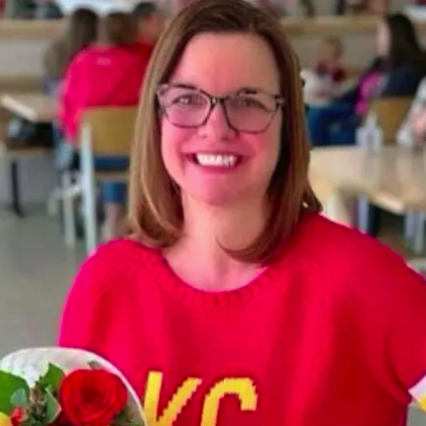
Kansas City, Missouri — Hope McPheeters is an autism advocate, educator, nonprofit founder, and community leader whose career has been shaped by a deeply personal commitment to supporting individuals with autism and the families who care for them. As Director of Community Engagement and Family Ambassador for Autism Support Now, she works to increase autism awareness, connect families with resources, and help communities become more understanding and inclusive of individuals with developmental differences.
Hope’s advocacy is rooted in her own experience raising two children on the autism spectrum, both of whom were diagnosed at young ages. Rather than viewing those experiences solely through the lens of challenge, she has embraced them as a source of education, purpose, and transformation. She often describes her children as her “tour guides” on this journey, crediting them with teaching her lessons about resilience, patience, acceptance, joy, and unconditional love that have profoundly influenced both her personal life and professional mission.
Today, Hope works with parents, schools, healthcare providers, businesses, and community organizations to make autism-related information and services more accessible. Her work encompasses the journey from early diagnosis through adulthood, with a particular focus on helping families navigate systems that can often feel complicated and overwhelming.
Before dedicating herself more fully to autism advocacy and services, Hope spent 21 years as a high school French teacher. A lifelong lover of language and culture, she became fluent in French after studying abroad in France and earned a Bachelor’s Degree in Secondary Education from the University of Missouri-Columbia. She later completed a Master’s Degree in Teaching and Innovation from Webster University.
Her background in education continues to influence how she approaches advocacy. Teaching gave Hope an understanding of how important individualized support, communication, patience, and trust can be when helping people learn and grow. Those same principles now inform her work with families and communities affected by autism.
While still teaching, Hope recognized an urgent need for greater access to autism resources and therapy services in Missouri. In 2010, she co-founded the nonprofit Ella’s Hope for Autism alongside her former husband. What began as a grassroots effort eventually evolved into Autism Support Now, an organization that Hope helped expand from a small three-room clinic into a network of 14 clinics serving more than 200 families throughout underserved communities across the state.
Her advocacy has also extended beyond direct services. Hope played an active role in statewide efforts supporting insurance mandates requiring autism therapies to be covered by private insurance and Medicaid. These efforts represented an important step toward improving access to care for families who might otherwise struggle to afford essential services.
Through her work today, Hope continues to address the practical and emotional challenges families encounter after an autism diagnosis. She understands that receiving a diagnosis can be life-changing, but she also recognizes that the journey that follows can be just as significant. Families must often learn how to navigate insurance requirements, therapy options, educational systems, providers, and community resources while simultaneously adjusting to a new understanding of their child.
For Hope, her children remain at the center of everything she does.
“Honestly,” she explains, she attributes her success to her children. Watching them navigate life with resilience, determination, and positivity has become her greatest source of inspiration. She has witnessed them work incredibly hard for every milestone and achievement, and their perseverance motivates her to continue moving forward with gratitude and purpose.
Her children have shaped not only who she is as a mother, but also who she is as an advocate and professional. Living this experience alongside them has helped her understand the importance of meeting families where they are and recognizing the individual strengths and needs of every person.
The lessons Hope has learned through her family experience have become central to her philosophy: people can face difficult circumstances without allowing those circumstances to define their potential.
One of the most influential pieces of career advice Hope received came from Michael Quinn, the CEO of Autism Support Now. After 21 years in education, Hope was initially hesitant when Quinn approached her about leaving the classroom and entering the business and nonprofit world.
She had spent decades working according to the structure of a school day, and the prospect of stepping outside that familiar environment was intimidating. Quinn encouraged her to follow her heart, reminding her that she had already given her all to education and that it was time to give her all to her passion.
He also helped her recognize that the skills she had developed as an educator could be valuable beyond the classroom. Most importantly, the opportunity offered Hope greater flexibility and the ability to work from home much of the time, allowing her to remain more present with her children.
His belief in her abilities gave Hope the push she needed to take a major professional leap and ultimately devote herself more fully to the mission that had become so important to her.
Today, she encourages young women who are considering careers supporting children and families to explore fields such as behavioral and psychological development. She believes there is an enormous need for compassionate professionals who understand that neurodivergent children—including individuals with autism, Down syndrome, ADHD, and other developmental differences—may learn and experience the world in different ways.
Hope points to roles such as Registered Behavior Technician as one avenue through which individuals can enter the field and develop hands-on experience supporting children with autism and other developmental needs. She has seen how personal experiences can motivate people to enter this profession, particularly parents who want to better understand how to support their own children while also helping other families.
At the same time, Hope emphasizes that this work requires patience, empathy, resilience, and genuine passion. The work can be challenging, but she believes the opportunity to positively influence a child and an entire family makes it deeply rewarding.
One of the most persistent challenges Hope encounters is access to services. Families can face significant obstacles when attempting to navigate insurance requirements and obtain coverage for necessary therapies. Even when mandates exist, families may still encounter denials, administrative complications, and uncertainty about where to turn for assistance.
Helping families understand these systems and identify available resources is therefore an important component of Hope’s work. She believes advocacy must extend beyond raising awareness; it must also involve helping families translate awareness into meaningful access to support.
Another priority is building more autism-friendly communities. In Kansas City, Hope and her colleagues work with local businesses to increase understanding and improve everyday experiences for individuals with autism and their families. That work can include educating restaurant employees about sensory needs, helping managers better understand behaviors such as stimming, and encouraging businesses to create environments where families feel welcome rather than judged.
For Hope, inclusion should extend into ordinary moments of life. Families should be able to dine at a restaurant, participate in community events, shop, travel, and enjoy time together without feeling that their loved one’s differences make them unwelcome.
She also recognizes the importance of social integration. Access to therapy is essential, but people also need opportunities to build relationships, develop confidence, participate in their communities, and experience a sense of belonging. Through social integration programs and community initiatives, Hope works to help create those opportunities.
At the heart of her philosophy are three fundamental values: love, respect, and acceptance.
Hope believes that every individual deserves to feel valued for exactly who they are. Her approach is grounded in the conviction that “different is not less.” Differences in communication, behavior, learning, or perception should not diminish an individual’s dignity or opportunities.
That philosophy influences the way she advocates for her own children as well as the families she supports professionally. She seeks to approach each person with compassion and understanding, recognizing that every family has its own circumstances, experiences, strengths, and challenges.
Hope’s broader vision is to help create a world in which individuals with disabilities and their families are not defined by judgment or limitations, but are welcomed, understood, included, and celebrated.
Her commitment to that vision has earned her opportunities to serve on advisory boards and support grant organizations focused on children and families with developmental disabilities. Across these roles, she continues to bring together education, lived experience, advocacy, and community engagement.
Outside of her professional responsibilities, Hope enjoys traveling, cooking, spending time with lifelong friends, and relaxing with her dog. These personal interests provide opportunities to recharge while staying connected to the relationships and experiences that matter most to her.
After more than two decades in education and years of advocacy and nonprofit leadership, Hope McPheeters continues to build on a career defined by service. Her journey demonstrates how personal experience can become a catalyst for meaningful change when paired with education, determination, and compassion.
From the classroom to nonprofit leadership and community advocacy, Hope has consistently sought ways to help others feel more informed, supported, and empowered. Her children may have been her “tour guides,” but the lessons they have shared with her now guide a much broader mission—one focused on helping families navigate autism with greater confidence while building communities where every individual has the opportunity to belong and thrive.
Learn More about Hope McPheeters:
Through her Influential Women profile, https://influentialwomen.com/connect/hope-mcpheeters or through her websites, https://www.autismsupportnow.com/ & https://ellashopeforautism.org/
Influential Women
Influential Women provides a platform where women from all backgrounds can connect, share their perspectives, and create content that empowers themselves and others. Through storytelling, thought leadership, and creative expression, Influential Women amplifies voices that inspire change.
Editorial Team
Influential Women
email us here
Legal Disclaimer:
EIN Presswire provides this news content “as is” without warranty of any kind. We do not accept any responsibility or liability
for the accuracy, content, images, videos, licenses, completeness, legality, or reliability of the information contained in this
article. If you have any complaints or copyright issues related to this article, kindly contact the author above.

Media gallery