Wall Township plumbing contractors discuss what homeowners should know about whole-home repiping.
Wall Township, United States – May 29, 2026 / A-1 Comfort Care Heating, Cooling & Plumbing /
All About Repiping Services
Aging water supply lines are one of the most overlooked threats to a home’s plumbing health, quietly deteriorating behind walls and beneath floors until the damage becomes impossible to ignore. Repiping is the comprehensive solution that addresses this issue at its source, replacing the entire network of water supply lines rather than patching individual problems as they surface. Knowing what repiping involves, what warning signs to watch for, and what benefits a whole-home repipe delivers can help homeowners make informed decisions before a minor plumbing concern turns into a major and costly ordeal.
What Is Repiping?
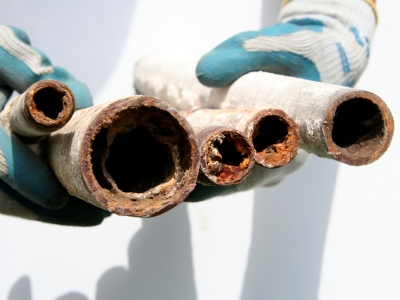 Repiping is the complete replacement of a home’s water supply lines, a process that involves removing all of the existing pipes throughout the property and installing an entirely new piping system in their place. This is a fundamentally different scope of work compared to pipe repair, which is a targeted intervention focused on fixing a specific, localized problem within the plumbing system. Where pipe repair addresses a single damaged or faulty section of pipe, repiping takes a whole-system approach that eliminates the root cause of recurring plumbing issues rather than managing their symptoms one at a time.
The distinction between these two services matters greatly when assessing the condition of a home’s plumbing infrastructure, because a repair that resolves one leak today does nothing to address the aging pipes that may produce another leak tomorrow. Repiping is typically recommended when the plumbing system as a whole has reached a state of deterioration where ongoing repairs are no longer a practical or cost-effective strategy. Upgrading to a new set of water supply lines gives a home a fresh plumbing foundation, one built with modern materials designed to perform reliably for decades to come.
Modern repiping projects commonly utilize durable materials such as copper, CPVC, or PEX piping, each of which offers significant advantages over the older galvanized steel or polybutylene pipes found in many aging homes. Licensed plumbing contractors assess the existing system before recommending the most appropriate material for the specific property, taking into account factors such as water quality, water pressure, and the layout of the home. The result is a water supply system that not only functions better than its predecessor but also meets current plumbing codes and standards.
Signs Repiping Is Needed
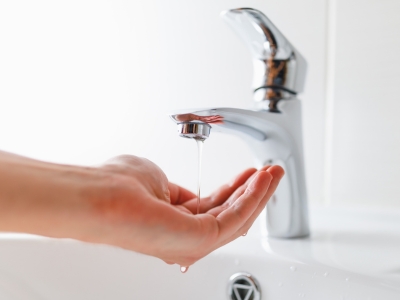 Frequent water leaks are one of the most telling signs that a home’s plumbing system has deteriorated beyond what routine pipe repair can effectively address, as multiple leaks occurring across different areas of the home point to a systemic issue rather than an isolated one. Noticeably low water pressure throughout the house is another symptom that often traces back to the interior buildup of corrosion, mineral deposits, or pipe scale within aging water supply lines. Unexplained increases in water bills can also indicate hidden leaks within the plumbing system, where water is escaping through compromised pipes before it ever reaches a fixture.
Discolored water coming from the taps, particularly water with a brown or reddish tint, is a strong indicator of corroded pipes that are shedding rust and debris directly into the water supply. Water that carries an unusual odor or an off taste may also reflect pipe corrosion or deterioration, both of which signal that the water supply lines are no longer functioning as a clean and reliable conduit for household water. These are not merely cosmetic concerns but genuine health and safety issues that warrant a professional plumbing evaluation to determine whether repiping is the appropriate next step.
Homes that are more than 50 years old and have never undergone a repipe represent a particularly high-risk category, as the original plumbing in these properties has likely reached or exceeded the expected lifespan of the materials used at the time of construction. Older galvanized steel pipes, which were common in mid-century residential construction, are especially prone to internal corrosion, reduced flow capacity, and structural failure as they age. For homeowners living in older properties, having a licensed plumber conduct a thorough inspection of the water supply lines is a proactive step that can reveal whether repiping is needed before a full-scale plumbing failure occurs.
Benefits of a Whole Home Repipe
A whole-home repipe addresses every existing problem within the water supply lines simultaneously, resolving issues that range from persistent clogs and reduced flow to active leaks that have been patched repeatedly without a lasting fix. Rather than cycling through a series of individual repairs that each carry their own labor and material costs, repiping consolidates the work into a single comprehensive project that leaves the entire plumbing system in sound condition. This approach eliminates the frustration of recurring plumbing problems and gives homeowners the confidence that their water supply lines are reliable and in good working order.
Repiping also delivers measurable improvements to the overall efficiency of a home’s plumbing system, which translates directly into lower water bills over time. New pipes free of internal corrosion, scale, and buildup allow water to flow at its intended rate without resistance, reducing waste and ensuring that every fixture in the home operates at peak performance. The long-term savings generated by a more efficient plumbing system can offset a significant portion of the initial investment in a whole-home repipe, making it a financially sound decision for homeowners who plan to remain in their property for years to come.
Beyond efficiency and cost savings, a whole-home repipe substantially improves water pressure throughout the property, restoring the strong and consistent flow that aging, corroded pipes could no longer deliver. Perhaps most importantly, installing new water supply lines dramatically reduces the risk of future plumbing failures, emergency repairs, and the water damage that so often accompanies a burst or heavily corroded pipe. For homeowners seeking a long-term solution rather than a temporary fix, a whole-home repipe represents one of the most valuable investments that can be made in the structural integrity and comfort of a home.
Call A-1 Comfort Care Heating, Cooling & Plumbing
A-1 Comfort Care Heating, Cooling & Plumbing is a trusted plumbing and heating service company serving Wall Township, NJ, and beyond. They offer straightforward pricing, same-day service, and the latest diagnostic technology. Call them today for repiping services in Wall Township, NJ.


Contact Information:
A-1 Comfort Care Heating, Cooling & Plumbing
5110 Route 33
Wall Township, NJ 07727
United States
Frank O’Brien
(732) 578-0379
https://www.a-1comfortcare.com/